



























Appliance – Freezers in Dallas
FREEZER SUPPORT FOR DALLAS Freezer Maintenance & Repair in Dallas Expert freezer maintenance and repair services in Dallas, Texas. Unmatched Freezer Repair Services for Dallas, Texas Schedule Your Freezer Repair in Dallas Is your freezer not freezing properly? Don't let your frozen foods thaw and go
FREEZER SUPPORT FOR DALLAS
Freezer Maintenance
& Repair in Dallas
Expert freezer maintenance and repair services in Dallas, Texas.
Unmatched Freezer Repair Services for Dallas, Texas
Schedule Your Freezer Repair in Dallas
Is your freezer not freezing properly? Don’t let your frozen foods thaw and go to waste.
Uptown Appliance Repair offers prompt and reliable freezer repair services in Dallas.
About Uptown's Freezer Repair
Services in Dallas
We’re Dallas’s leading experts in premium freezer repair and maintenance.
Our certified technicians have extensive experience working with all major brands and models of freezers, ensuring yours receives the specialized care it deserves. We’re committed to providing unmatched service and exceeding customer expectations.

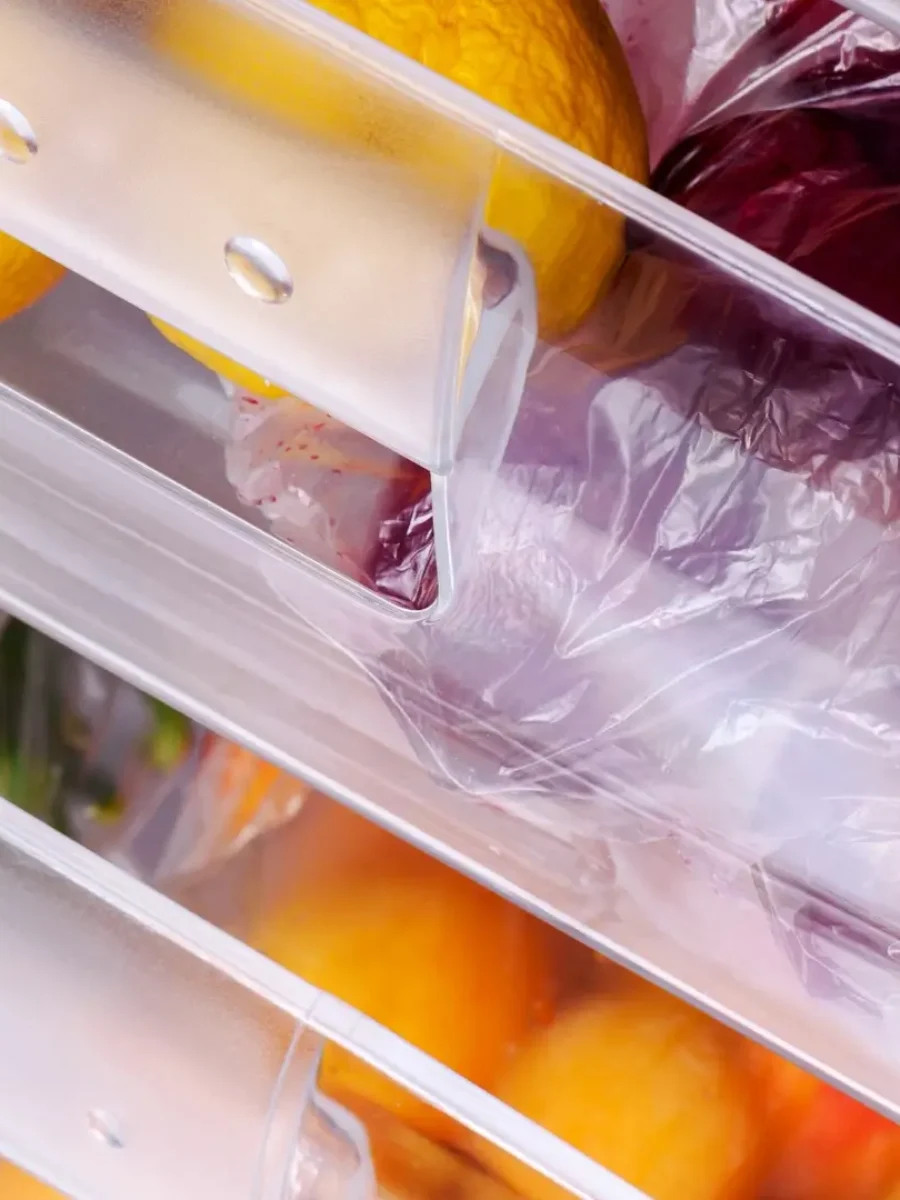
Freezer on the Blink? Dallas Residents,
We Can Help!
Is your freezer not freezing properly, making strange noises, or covered in excessive frost?
Uptown Appliance Repair offers fast and reliable freezer repair services in Dallas, diagnosing the problem quickly and getting your freezer back to optimal performance.
Common Freezer Problems
We Repair in Dallas
Our Dallas freezer repair experts handle a wide range of common freezer problems, including:

Buildup
Dallas' Freezer Repair FAQs
Have questions about freezer repair in Dallas?
We’ve compiled answers to some of the most Frequently Asked Questions.
Why is my freezer not freezing?
- Airflow Blockage: Overpacking can obstruct the evaporator fan, impeding cold air circulation. Ensure items are not blocking the fan or vents.
- Frost Buildup: Excessive frost can block airflow and reduce cooling efficiency. Manual defrosting might be necessary, especially if your freezer doesn’t have an automatic defrost feature.
- Dirty Condenser Coils: Dust on the coils can prevent heat dissipation, causing the freezer to work harder. Regular cleaning with a vacuum can help.
- Malfunctioning Start Relay: This component powers the compressor. If it’s faulty, the compressor won’t run, and your freezer won’t cool. Listen for the compressor’s hum; if absent, check the relay.
- Broken Evaporator Fan Motor: This fan spreads cold air. If it’s not functioning, the freezing process stops. Check if it spins freely when the door is manually activated.
- Defective Thermostat: Ensures the freezer runs at the right temperature. If it doesn’t click when adjusting settings, a replacement might be needed.
- Compressor Issues: The compressor is key to cooling. If it’s not humming, it could be faulty and require professional attention.
- Poor Door Seal: A loose seal lets in warm air. Test with paper or a dollar bill; if it pulls out easily, consider seal replacement.
Why is there frost in my freezer?
- Poor Door Seal: A damaged or worn gasket lets in warm, humid air, which then freezes upon contact with the cold interior.
- Frequent Door Opening: Each time the door opens, moist air enters, which upon cooling, turns into frost.
- Warm Food: Introducing hot items directly into the freezer increases internal humidity, leading to frost.
- High Humidity: If your home has high humidity, this can seep into the freezer, especially when it’s opened, fostering frost.
- Temperature Fluctuations: Warmer ambient temperatures or improper thermostat settings can cause moisture to condense and freeze within the freezer.
- Seal Check: Ensure the door gasket is intact; replace if it fails to seal properly.
- Consistent Temperature: Set the thermostat correctly, avoiding drastic changes.
- Regular Maintenance: Clean the freezer to remove any food particles or moisture that could lead to frost.
- Avoid Overloading: Allow for proper air circulation by not overpacking.
How to fix a freezer door seal?
- Identify the Issue:
- Use the paper test: Slide a piece of paper between the seal and the freezer, close the door, and pull. If there’s no resistance, the seal is likely worn.
- Clean the Seal:
- Remove the gasket if possible, or clean in place with warm soapy water to remove dirt, mold, or grease that might prevent sealing.
- Lubricate:
- If the gasket is slightly loose, apply petroleum jelly or silicone grease with a cotton swab in the groove to help it reseal.
- Minor Repair:
- For small tears, apply silicone sealant to the damaged area, cover with waxed paper to shape, and allow it to set for at least 8 hours.
- Replace if Necessary:
- For significant damage like cracks or warping:
- Remove Old Gasket: Unscrew or gently pry away where it’s attached.
- Install New Gasket: Clean the area first, then fit the new seal, starting at the corners and working around. Use warm water or a blow dryer to soften the gasket for easier installation.
- Check for Proper Fit:
- After installation, ensure the gasket is flush all around. A blow dryer can help adjust any misaligned parts.
How to check the freezer compressor?
- Visual and Auditory Check:
- Access the Compressor: Remove the lower panel at the back or bottom of your freezer to locate the compressor.
- Inspect: Look for physical damage, leaks, or oil around the compressor, which might indicate a problem.
- Listen: Turn on the freezer and listen for any abnormal sounds like grinding or excessive noise when the compressor engages.
- Electrical Testing:
- Safety First: Ensure the freezer is unplugged before proceeding.
- Multimeter Use:
- Voltage Check: With the freezer plugged in, test the voltage at the compressor terminals to ensure power is reaching it.
- Start Capacitor: Check its capacitance with a multimeter.
- Overload Protector: Test for resistance.
- Continuity Test: Verify electrical continuity between compressor terminals.
- Resetting the Compressor:
- Unplug: Disconnect the freezer for a few minutes to reset it.
- Control Panel: Set freezer and fridge controls to off or zero.
- Reconnect: Plug back in and adjust to desired cooling settings, allowing 24 hours for temperature stabilization.
- Signs of Failure:
- Temperature Issues: If the freezer isn’t cooling or the compressor runs continuously.
- Noises: Any unusual sounds during operation.
- Start Relay Test: If the compressor doesn’t run, remove and shake the start relay; a rattle means it’s bad.
How much does freezers cost in 2025?
- Unit Only:
- Chest Freezers: $350 to $800
- Upright Deep Freezers: $450 to $1,100
- Compact Models: $150 to $450
- Installation Costs:
- Basic installation labor averages $50 to $150. This can increase with complex setups like built-in installations, which might require additional carpentry work, costing $40 to $80 per hour, or electrical work for new outlets or circuits.
- Additional Costs:
- Trim Kits: For a custom look, these cost $200 to $650, with labor adding $75 to $125.
- Removal of Old Freezer: Can range from free with purchase to $100 to $200 for standalone services.
- Features and Efficiency: Advanced features or energy-efficient models will increase the price but offer long-term savings on energy bills.
- Warranty and Finishes: Extended warranties or premium finishes like stainless steel will also add to the cost.
- Considerations:
- Size and Capacity: Larger freezers with more storage capacity will naturally cost more.
- Brand and Quality: High-end brands might have a higher price tag but often come with better warranties and longevity.