



























Appliance – Freezers in Houston
FREEZER SUPPORT FOR HOUSTON Freezer Maintenance & Repair in Houston Expert freezer maintenance and repair services in Houston, Texas. Unmatched Freezer Repair Services for Houston, Texas Schedule Your Wine Cellar Service s your freezer letting you down? Don't risk losing valuable frozen food. Uptown
FREEZER SUPPORT FOR HOUSTON
Freezer Maintenance
& Repair in Houston
Expert freezer maintenance and repair services in Houston, Texas.
Unmatched Freezer Repair Services for Houston, Texas
Schedule Your Wine Cellar Service
s your freezer letting you down? Don’t risk losing valuable frozen food.
Uptown Appliance Repair diligently provides prompt and reliable freezer repair services throughout Houston.
About Uptown's Freezer Repair
Services in Houston
At Uptown Appliance Repair, we know a dependable freezer is essential for every Houston home.
As Houston’s leading experts in premium freezer repair and maintenance, our certified technicians have extensive experience with all major brands and models. We’re dedicated to unmatched service, exceeding customer expectations and ensuring your freezer receives the best possible care.

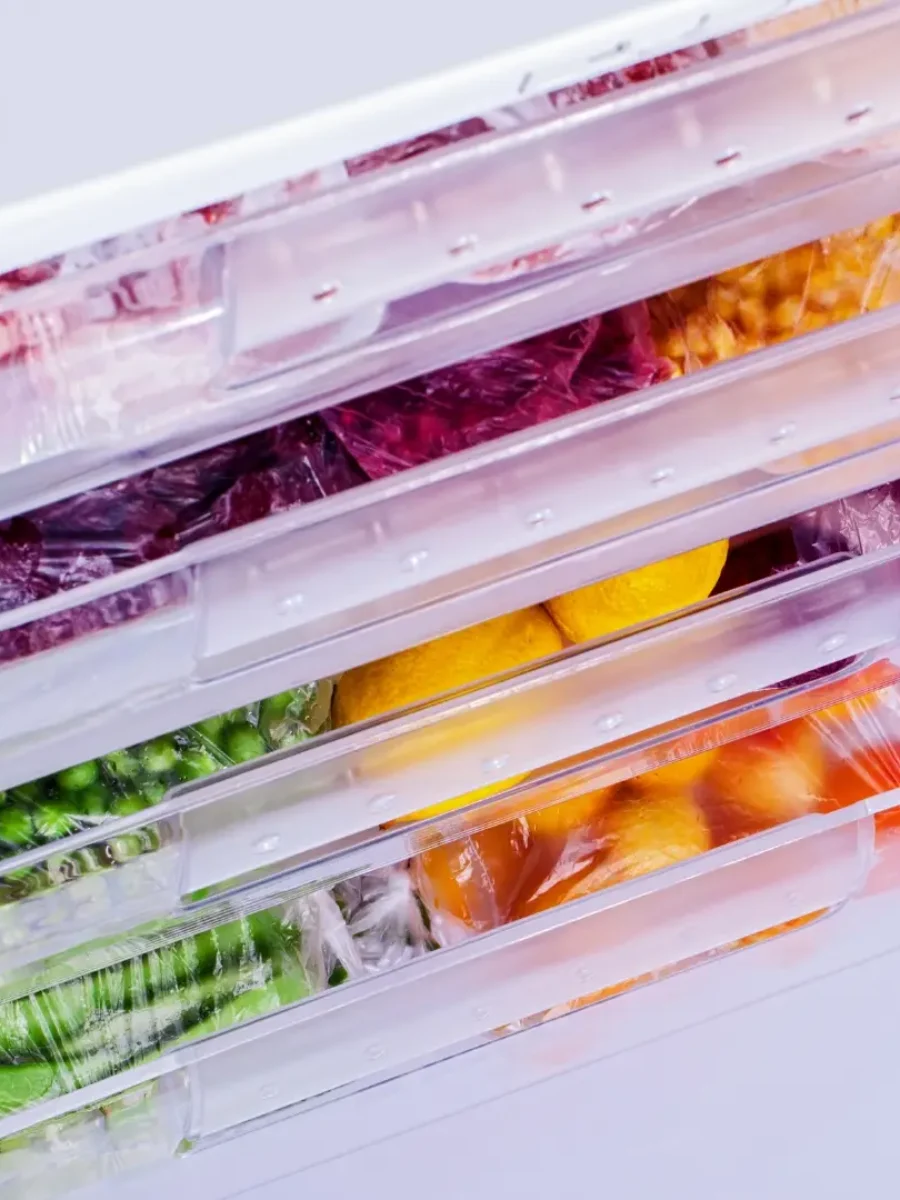
Freezer Problems? Houston Homeowners, We've Got You Covered!
A malfunctioning freezer can disrupt meal planning and lead to food waste.
Is your freezer not freezing properly, making strange noises, or accumulating excessive frost? Uptown Appliance Repair offers fast and reliable freezer repair services in Houston. We’ll quickly diagnose the issue and implement the right solution, minimizing disruption to your home.
Common Freezer Problems
We Repair in Houston
Our Houston freezer repair experts handle a wide range of common freezer problems, including:

Freezer Door
Houston Freezer Repair FAQs
Have questions about freezer repair in Houston?
We’ve compiled answers to some Frequently Asked Questions.
How to fix a freezer?
- Power and Settings:
- Ensure the freezer is plugged in and the outlet works. Check if the thermostat is set correctly; adjust if necessary.
- Door Seals:
- Inspect and clean or replace the door seal if it’s not sealing properly, preventing warm air from getting in.
- Frost Buildup and Cooling:
- Defrost System: If there’s frost, look at the defrost timer, heater, or thermostat. Clear any defrost drain blockages.
- Cooling Issues: Clean condenser coils to improve efficiency. Clear air vents inside to allow cold air circulation.
- Temperature Fluctuations:
- If too warm or too cold, check for obstructions in air vents or issues with the thermostat. Reset the thermostat or clear frozen evaporator coils with a hairdryer on no heat.
- Noises and Running:
- Unusual noises might indicate compressor issues; for a continuously running compressor, ensure nothing blocks the vents or door, check for ice on coils, or test the thermostat.
When should you call Uptown Appliance Repair Pros?
Professional intervention is necessary for refrigerant leaks, complex electrical issues, or component failures like the compressor.
If basic checks don’t resolve the issue, seek professional help to diagnose and fix more intricate problems.
What temperature should a freezer be?
- General Storage: Most items do well at 0°F, but:
- Ice Cream: Should be stored slightly warmer at around -5°F (-20°C) for better texture.
- Meats and Seafood: Benefit from being kept in the coldest part, from -5°F to 0°F.
- Temperature Indicators:
- Excess Frost: Suggests the freezer might be too cold or there’s a sealing issue.
- Ice Near Seals: Indicates the door isn’t sealing properly.
- Interior Ice: This could mean the door was left ajar or there’s a temperature inconsistency.
- Measuring Accuracy:
- Don’t rely solely on the freezer’s built-in gauge; use a freestanding appliance thermometer for precision, placing it inside for 20 minutes to get a true reading.
- Adjusting Temperature:
- If temperatures are off, adjust the settings. Remember, some freezers use numerical scales rather than degrees, so ensure adjustments bring you close to 0°F.
- Flash Freeze: Use this feature or manually lower the temperature for new food to prevent freezer burn, but return to normal after a few hours to avoid overcooling and moisture loss in food.
How many amps does a freezer use?
- Surge Amps: Freezers can require up to 2-3 times their running amperage during startup, which is why:
- A dedicated 15-20 amp circuit is recommended to handle these surges safely.
- Breaker Size: A 15 or 20 amp breaker is standard for household freezers, aligning with local electrical codes.
- Voltage: Most home freezers operate on 110V to 120V.
- Efficiency: Lower amp usage often correlates with energy efficiency, especially in modern models. However, older or less efficient models might draw more.
How long do freezers last?
- Quality: Premium models often outlast budget ones due to better materials and craftsmanship.
- Maintenance: Regular care like cleaning coils, ensuring proper door seals, and maintaining the right temperature can extend freezer life.
- Repairs: Quality repair work with genuine parts can prolong life; poor repairs might not.
- Usage: Correct usage, such as not overfilling and maintaining optimal temperature (0-5°F), prevents premature wear.
- Environment: Extreme temperatures or high humidity can shorten lifespan, so avoid placing freezers in garages or near heat sources.
- Excessive Frost: Persistent frost could mean the seal is compromised or the defrost system is failing.
- Unusual Noises: Sounds indicating strain or wear in the compressor or other components.
- Temperature Issues: If food isn’t staying frozen, there might be a problem with cooling efficiency.
- Energy Costs: A sudden increase might suggest the freezer is working harder due to inefficiency.
How does freezer burn occur?
Freezer burn results from the dehydration and oxidation of food caused by exposure to cold, dry air in the freezer:
Water in food sublimates (turns from solid to gas directly), leading to moisture loss and the formation of ice crystals on the food’s surface.
-
Causes:
-
Improper Packaging: Not using airtight containers or leaving air gaps in packaging.
-
Temperature Fluctuations: Opening and closing the freezer often can cause temperature changes, promoting moisture loss.
-
High Moisture Foods: Meats, fruits, and vegetables with high water content are more prone to freezer burn.
-
Long Storage: Extended freezer time increases the likelihood of freezer burn.
-
What does freezer burn look like?
Frosty, ice crystals, gray-brown patches, especially on meats; fruits and vegetables appear shriveled.
What does freezer burn taste like?
Food becomes dry, tough, or leathery with a bland or off flavor due to moisture loss and oxidation.