



























Appliance – Ice Maker in Houston
ICE MAKER SUPPORT FOR HOUSTON Ice Maker Maintenance & Repair in Houston Expert ice maker maintenance and repair services in Houston, Texas. Unmatched Ice Maker Repair Services for Houston, Texas Schedule Your Ice Maker Repair in Houston Don't suffer through another party with lukewarm drinks. Uptown
ICE MAKER SUPPORT FOR HOUSTON
Ice Maker Maintenance
& Repair in Houston
Expert ice maker maintenance and repair services in Houston, Texas.
Unmatched Ice Maker Repair Services for Houston, Texas
Schedule Your Ice Maker Repair in Houston
Don’t suffer through another party with lukewarm drinks. Uptown Appliance Repair offers prompt and reliable ice maker repair services in Houston. We’ll diagnose the problem quickly and have your ice maker working perfectly again.
About Uptown's
Ice Maker Repair Services in Houston
As Houston’s leading ice maker repair experts, our certified technicians have the experience and expertise to handle any ice maker problem.
We’re committed to providing unmatched service and exceeding customer expectations, ensuring you always have ice on hand.

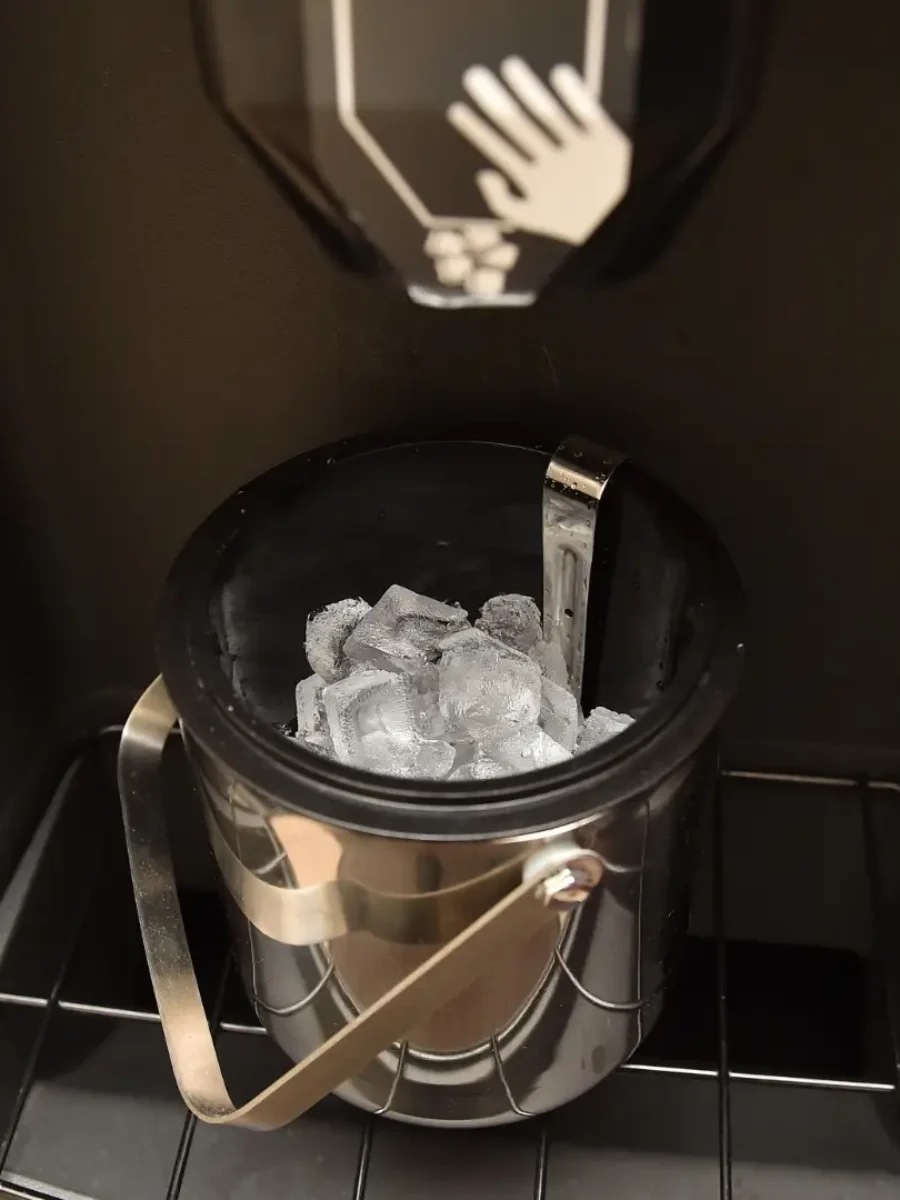
Ice Maker on the Blink? Houston Residents,
We Can Help!
From minor fixes to major repairs, Uptown Appliance Repair offers comprehensive ice maker services in Houston.
Whether your ice maker is not producing ice, leaking, or making strange noises, we have the solution. Contact us today for fast, reliable service.
Common Ice Maker Problems
We Repair in Houston
Our Houston ice maker repair experts handle a wide range of common ice maker problems, including:

Houston Ice Maker Repair FAQs
Have questions about ice maker repair in Houston?
We’ve compiled answers to some Frequently Asked Questions.
What is an ice maker and how does it work?
- Water Fill: A solenoid water valve opens briefly to allow water to fill the ice cube molds.
- Freezing: The refrigerator’s cooling system freezes the water in the molds. An internal thermostat monitors this process, initiating the next step when the water reaches a low enough temperature, typically around 9°F (-13°C).
- Ice Release: Once frozen, a heating element warms the bottom of the mold, loosening the ice cubes.
- Ejection:
- A motor drives a gear system connected to a shaft with ejector blades. These blades push the now-loose ice cubes out of the mold.
- The cubes move as a connected unit due to small notches in the mold walls.
- Collection and Control:
- The ice falls into a collection bin.
- A shut-off arm is lifted by the mechanism during ejection. When it returns to its lowest position, it signals to start another cycle unless ice already present prevents it from fully lowering, thus preventing overproduction.
Why is my ice maker slow or stuck?
- Water Supply Issues:
- Clogged Water Filter: Accumulated sediment restricts water flow.
- Low Water Pressure: Leads to smaller ice cubes and slower production.
- Water Supply Valve: If not fully open, it limits water to the ice maker.
- Faulty Water Inlet Valve: Might not open adequately to fill the molds.
- Temperature and Environment:
- Freezer Temperature: Set too high, slowing down the freezing process. Optimal is 0°F to 5°F.
- Frequent Door Opening: Increases internal temperature, slowing ice production.
- Mechanical and Operational:
- Ice Jam: Ice can clump in the bin, blocking new ice.
- Control Arm: If mispositioned, it can halt ice production.
Possible Solutions:
- Adjust Freezer Temperature: Lower if not cold enough.
- Reduce Door Openings: Limit how often you open the freezer.
- Check Water Line: Ensure no kinks, blockages, or damage.
- Clean or Replace Water Filter: Regular maintenance can prevent slowdowns.
- Clear the Ice Bin: Remove any ice jams.
How much do ice makers cost?
Costs associated with ice makers vary depending on whether you’re purchasing a new unit or replacing a residential one:
- Purchase Price: Ranges from $5,000 to $10,000, with bins sold separately.
- Installation: Free installation might lead to future costs if not done correctly.
- Operational Costs:
- Maintenance: Professional cleaning twice a year.
- Repairs: Average repair cost in 2021 was $708.41, with some repairs reaching $2,000.
- Utilities: High water and electricity usage.
- Backup Ice: Costs during machine downtime.
- Lifespan: 7-8 years with average maintenance, potentially 20 years with excellent care.
- Unit and Labor: Typically costs between $260 to $450 to replace an ice maker in a refrigerator.
- Part-Specific Repair:
- Drive Blade: $75 to $150 including parts and labor.
- Fill Tube: $75 to $125.
- Filter: $10 to $200, depending on the type.
- Motor: $200 to $400 total.
- Solenoid Valve: $100 to $175.
- Water Valve: $75 to $175.
How to properly move an ice maker?
- Assess the Setup:
- Measure the ice maker and its current position.
- Identify water and electrical connections.
- Gather Tools:
- Adjustable wrench, screwdriver, pliers, towels, moving straps or dolly, packing tape, and protective padding.
- Disconnect the Ice Maker:
- Water Supply: Locate and turn off the valve, typically behind the fridge or under the sink. Turn it clockwise and check for water flow cessation.
- Electrical: Unplug the ice maker from the outlet after moving the fridge slightly.
- Remove the Ice Maker:
- Empty Ice Bin: Remove all ice from the bin.
- Detach Unit: Remove screws or unclip brackets holding the ice maker. Gently pull it out, being mindful of any attached wires or tubes. Disconnect these carefully if necessary.
- Secure Loose Parts:
- Bundle cables and hoses, secure trays or shelves with bubble wrap, and ensure nothing rattles loose during transport.
- Lifting and Transport:
- Use correct lifting techniques: bend at the knees, lift with legs, keep the unit close to your body, and use a firm grip. Always get help for heavy lifting.
How to install an ice maker?
Method 1: Installing a Dedicated Cold Water Line
- Locate Cold Water Source: Find the nearest cold water pipe, often under a sink or in a wall.
- Prepare Water Supply:
- Shut off water. Open a faucet to drain the line.
- Install Saddle Valve: Attach to the pipe to create a water outlet.
- Run Copper Tubing:
- Connect 1/4 inch copper tubing to the valve with a compression fitting.
- Run the tubing to the ice maker location, adding extra length for maintenance.
- Test for Leaks:
- Turn water back on, open the saddle valve, and flush the line.
Method 2: Hooking Up a Refrigerator Ice Maker
- Locate Ice Maker: Find its position on your refrigerator, typically in the freezer or door.
- Connect Tubing:
- Pull out the fridge, run copper tubing to it, and secure with nylon cable clamps.
- Attach to Ice Maker:
- Use compression fitting to connect tubing to the refrigerator’s water inlet.
Method 3: Installing an Under-Counter Ice Maker
- Space Measurement: Ensure proper ventilation clearance.
- Select Ice Maker: Choose based on size, capacity, and budget, preferably with a built-in drain pump.
- Connect Water Line:
- Use compression fitting to connect to the water supply, threading through the cabinet if necessary.
- Position Ice Maker: Place into its spot, carefully managing the tubing.