



























Appliance – Gas Grills & Cooktops in Dallas
GAS GRILL & COOKTOP SUPPORT FOR DALLAS Gas Grill & Cooktop Repair in Dallas Expert gas grill and cooktop repair services in Dallas, Texas. Unmatched Gas Grill & Cooktop Repair Services for Dallas, Texas Schedule Your Gas Grill or Cooktop Repair in Dallas Is your gas grill refusing to light or your c
GAS GRILL & COOKTOP SUPPORT FOR DALLAS
Gas Grill & Cooktop
Repair in Dallas
Expert gas grill and cooktop repair services in Dallas, Texas.
Unmatched Gas Grill & Cooktop Repair Services for Dallas, Texas
Schedule Your Gas Grill or Cooktop Repair in Dallas
Is your gas grill refusing to light or your cooktop burner not heating evenly?
Uptown Appliance Repair offers prompt and reliable gas grill and cooktop repair services in Dallas.
About Uptown's Gas Grill & Cooktop Repair Services in Dallas
At Uptown Appliance Repair, we understand the importance of a properly functioning grill and cooktop for Dallas residents who enjoy cooking and entertaining.
We’re committed to providing unmatched service and exceeding customer expectations, ensuring your culinary creations are never interrupted by appliance malfunctions.

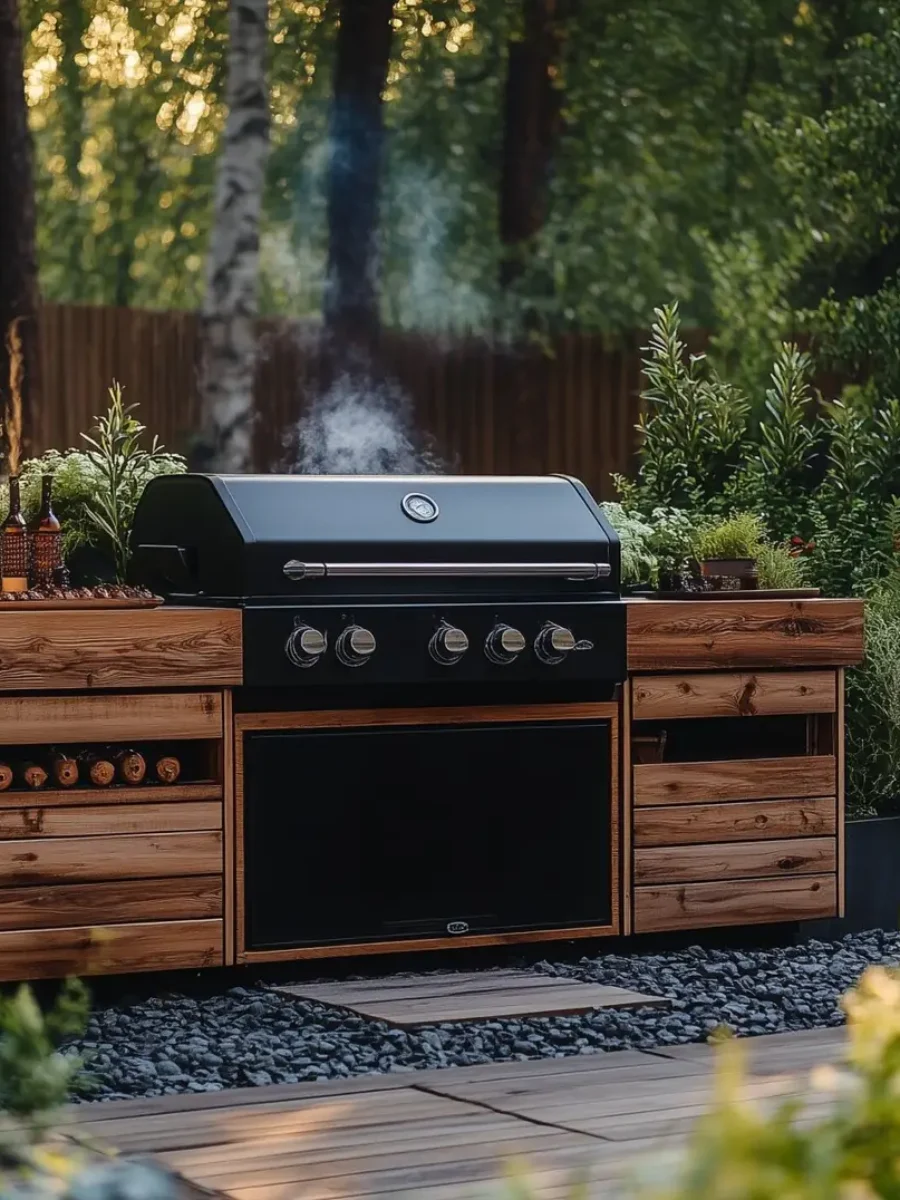
Gas Grill or Cooktop Problems?
Dallas Residents,
We Can Help!
Whether you’re dealing with a faulty igniter, uneven burner flames, or any other gas grill or cooktop issue, Uptown Appliance Repair has the expertise to solve the problem.
We offer fast and reliable repair services in Dallas, minimizing disruption to your cooking and grilling enjoyment.
Common Gas Grill & Cooktop
Problems We Repair in Dallas
Our Dallas gas grill and cooktop repair experts handle a wide range of common problems, including:
Dallas Gas Grill & Cooktop Repair FAQs
Have questions about gas grill or cooktop repair in Dallas?
We’ve compiled answers to some Frequently Asked Questions.
How to clean a grill/cooktop?
- Preparation: Begin by turning off the heat and allowing the grill to cool slightly. Remove grates if possible.
- Initial Cleaning:
- Scrape Residue: Use a metal spatula or scraper to remove burnt food. For stubborn spots, use the scraper while the grill is still warm but not hot.
- Degrease: Sprinkle baking soda on the grill surface, scrub with a cloth or sponge in circular motions, then rinse with a damp cloth to remove grease.
- Deep Cleaning:
- Wipe Down: After scraping, clean the surface with a soapy cloth, ensuring to get into all grooves. Rinse and dry completely.
- Oil Application: Apply a thin layer of cooking oil to prevent rust and aid in non-stick cooking.
- Sanitization: Heat the grill to high for 10 minutes to burn off any remaining debris or bacteria, then let it cool before wiping down.
- Rust Removal: For rust spots, use steel wool or an aluminum foil ball with vinegar or lemon juice to scrub, rinse, and dry.
- Regular Maintenance: Avoid using water to cool the grill during use. Instead, maintain cleanliness by scraping and wiping with a cloth during cooking. At the end of each shift, clean with a scraper and cloth to remove any cooked-on residues.
How to replace the burner on the gas grill/cooktop?
Step-by-Step Process:
- Accessing the Burner:
- Gas Grill: Lift off the cooking grates and any heat diffusers to expose the burner.
- Electric Cooktop: Remove or lift the burner cap and carefully lift the burner element out of its socket, disconnecting wires or clips as necessary.
- Removing the Old Burner:
- For gas grills, remove any securing hardware like cotter pins or screws. On older models, there might be additional steps like detaching a carryover tube or unclamping from an electrode.
- For electric cooktops, gently lift the burner element straight out from the socket.
- Installing the New Burner:
- Grill: Align the new burner with the manifold, secure it with the necessary hardware, reconnect any tubes or electrodes.
- Cooktop: Insert the new burner into the socket, ensuring it fits securely and evenly. Reconnect any wires or clips.
- Reassembly and Testing:
- For gas grills, reinstall the flavorizer bars and cooking grates. Turn the gas back on and light the burner to check for proper flame and operation.
- For electric cooktops, reattach any burner caps, plug in or switch on the power, and test by turning on to a low setting to ensure it heats correctly.
How to convert a propane grill/stove to natural gas?
- Check Compatibility: Not every propane grill can be converted. Always check your owner’s manual or contact the manufacturer for dual-fuel capability information.
- Purchase a Conversion Kit: Kits are available for around $50-$100, typically including a natural gas hose, regulator, orifices, and tools. Ensure the kit matches your grill model.
- Safety First:
- Turn off both the propane and new natural gas supply.
- Disconnect the propane tank, and if necessary, have a gas line installed by a professional.
- Conversion Steps:
- Remove Components: Take out grates, racks, flame tamers, and burners.
- Replace Orifices: Swap out propane orifices with those for natural gas.
- Install New Bezels: Replace control bezels to adjust for natural gas flow.
- Reinstall Burners: Ensure everything is reassembled correctly, using photos for reference.
- Attach Natural Gas Hose: Connect the new hose to the grill where the propane hose was.
- Final Checks: Before use, verify all connections for leaks and ensure the grill functions correctly on natural gas. If unsure, professional inspection is recommended.
- Advantages of Natural Gas: It’s cheaper, more convenient without tank refills, burns cleaner, and is safer as its fumes rise.
- Risks and Considerations:
- Converting without an official kit or against manufacturer advice can void warranties and be dangerous.
- For safety and warranty reasons, some recommend purchasing a grill designed for natural gas if conversion isn’t officially supported.
How long do gas grills/cooktops last?
- Quality and Price: Higher-end models, made with better materials like Grade 304 stainless steel, can last up to 15 years or more with excellent care. Cheaper models might last only 5 years or less.
- Usage:
- Frequency and Intensity: Regular use, especially at high temperatures or with acidic or fatty foods, can shorten lifespan due to corrosion or grease buildup.
- Maintenance: The longevity heavily depends on maintenance.
- Regular Cleaning: After every use, brush grates to prevent residue buildup.
- Seasonal Deep Cleaning: At the change of seasons, perform a thorough clean, check for gas leaks, and inspect for wear or damage.
- Winter Storage: A comprehensive clean, removing the gas source, seasoning grates, and covering the grill can prevent winter damage.
- Signs for Replacement:
- Rust, cracked grates, uneven flames, or burner issues are clear signs that parts or the whole grill might need replacing.
- Extending Life:
- Regular and thorough maintenance, protecting against the elements with a cover, and replacing parts rather than the entire unit when possible can extend the life of your grill significantly.
How much is a gas grill and cooktop in 2025?
a) Gas Grills:
b) Gas Cooktops:
Price Influencers:
- Size: More cooking space or multiple burners increase the cost.
- Fuel: While propane grills might be marginally cheaper, natural gas grills require a direct line to your home’s gas, potentially saving on fuel costs over time.
- Features: Enhanced features like side burners for additional cooking, rotisserie kits for whole roasts, or infrared technology for efficient cooking add to the price.
- Brand: High-end brands, known for durability and design, command higher prices than more standard, mass-market models.